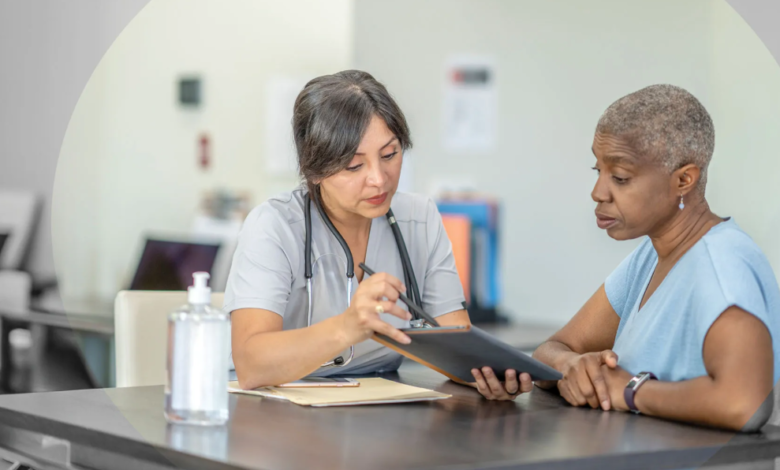
The Role of an Oncologist in Patient Care
An oncologist plays a crucial role in the diagnosis, treatment, and ongoing management of cancer. These medical professionals specialize in understanding various types of cancers and designing personalized treatment plans. Their expertise ensures patients receive evidence-based care that addresses both the physical and emotional aspects of cancer management.
Early Detection and Diagnosis
Early detection of cancer is critical for improving treatment outcomes. Oncologists use advanced diagnostic tools, including imaging, biopsy, and laboratory tests, to accurately identify cancer types and stages. Prompt diagnosis allows for timely intervention, increasing the likelihood of successful treatment and long-term survival.
See also: Protecting Your Skin with Modern Sun Care
Developing Personalized Treatment Plans
Every patient’s cancer journey is unique, requiring a customized approach. An oncologist evaluates the patient’s medical history, cancer type, and overall health to create a treatment plan that may include surgery, chemotherapy, radiation, immunotherapy, or a combination of approaches. Personalized plans optimize efficacy while minimizing unnecessary side effects.
Multidisciplinary Collaboration
Effective cancer treatment often requires collaboration among specialists, including surgeons, radiologists, pathologists, and supportive oncologist care teams. Oncologists coordinate with these professionals to ensure comprehensive care. This team-based approach ensures that every aspect of a patient’s condition is considered, from tumor biology to overall wellness.
Patient Education and Guidance
An essential responsibility of an oncologist is to educate patients about their condition and treatment options. Clear communication helps patients understand the goals, benefits, and potential side effects of each therapy. Informed patients are better equipped to participate actively in their treatment decisions, improving satisfaction and adherence.
Monitoring Progress and Adjusting Treatment
Cancer treatment requires ongoing assessment to determine effectiveness and manage side effects. Oncologists regularly monitor patients through clinical evaluations, imaging, and laboratory tests. They adjust treatment strategies as needed to respond to changes in the patient’s condition, ensuring care remains optimal throughout the journey.
Supportive and Palliative Care
In addition to curative treatments, oncologists provide supportive and palliative care to manage symptoms and enhance quality of life. Pain management, nutritional support, and psychological counseling are integrated into patient care plans. This holistic approach addresses the physical, emotional, and social challenges faced by patients and their families.
Advancing Knowledge Through Research
Many oncologists actively engage in clinical research to explore new therapies and improve existing protocols. Participation in clinical trials offers patients access to cutting-edge treatments and contributes to the advancement of cancer care. Research-driven practice ensures patients benefit from the latest scientific discoveries.
Ethical and Compassionate Practice
Oncologists navigate complex ethical decisions, balancing treatment effectiveness with patient preferences and quality of life considerations. Compassion and empathy are essential, as patients and their families often face emotional challenges. A skilled oncologist provides support, guidance, and reassurance throughout the treatment process.
The Importance of Regular Follow-Up
Even after treatment completion, ongoing follow-up with an oncologist is vital to detect recurrence and manage long-term health. Follow-up care may include regular scans, laboratory tests, and lifestyle recommendations. Continuous monitoring ensures early intervention if cancer returns and promotes overall health maintenance.
Conclusion
The expertise of an oncologist is central to effective cancer care. Through accurate diagnosis, personalized treatment planning, multidisciplinary collaboration, and compassionate patient support, these professionals guide individuals through complex treatment journeys. From improving survival rates to enhancing quality of life, an oncologist provides essential care that addresses both the medical and emotional dimensions of cancer. Their role is indispensable in advancing patient outcomes, fostering hope, and contributing to the ongoing development of cancer treatment strategies.