Understanding UV Vis Spectrophotometry
UV vis spectrophotometers are crucial instruments in modern laboratories, designed to measure the absorbance and transmittance of liquids and solutions across ultraviolet and visible light ranges. These instruments are commonly used in pharmaceuticals, environmental testing, chemical research, and food analysis. Selecting a reputable uv vis spectrophotometer manufacturer ensures laboratories receive high-quality, precise, and durable instruments.
Importance of Working with a Trusted Manufacturer
Partnering with a reliable uv vis spectrophotometer manufacturer provides several advantages:
- High-Quality Equipment: Instruments designed for longevity and consistent performance.
- Technical Assistance: Support for setup, calibration, and troubleshooting.
- Training and Documentation: Comprehensive manuals and operator guidance.
- Regulatory Compliance: Devices adhering to international standards such as CE and ISO.
A uv vis spectrophotometer manufacturer efficiency and ensures reliable analytical results.
See also: Benefits of Hiring Trained Commercial Removalists for Sydney Businesses
Features to Consider When Selecting Instruments
Modern UV vis spectrophotometers come with various features that improve functionality and accuracy:
- Wavelength Range: Typically 190–1100 nm for broad application coverage.
- Sensitivity: High detection capability for low concentration samples.
- Beam Type: Single or double beam options; double beam ensures better baseline stability.
- Automation: Baseline correction, multi-sample scanning, and data integration.
- Software Integration: Allows data management, reporting, and analysis.
Evaluating these features helps laboratories choose instruments suitable for precise and efficient measurements.
Applications Across Different Industries
UV vis spectrophotometers are versatile tools with applications in multiple fields:
- Pharmaceuticals: Drug analysis, purity tests, and stability studies.
- Food and Beverage: Color determination, additive monitoring, and nutrient analysis.
- Environmental Monitoring: Detection of pollutants and water quality assessment.
- Chemical Research: Studying reaction kinetics and compound identification.
- Biotechnology: Measuring proteins, nucleic acids, and enzymatic activities.
The broad applicability emphasizes the importance of selecting a manufacturer capable of supporting diverse laboratory needs.
Advantages of Choosing an Established Manufacturer
Working with an experienced uv vis spectrophotometer manufacturer provides significant benefits:
- Accuracy and Reliability: Instruments tested and calibrated before delivery.
- After-Sales Support: Maintenance services to reduce laboratory downtime.
- Access to New Technology: Advanced optics, detectors, and automation features.
- Customized Solutions: Tailored instruments to meet specific laboratory requirements.
- Training Programs: Ensures optimal use of equipment and maximizes lifespan.
Such benefits allow laboratories to maintain high standards of analysis and operational efficiency.
Factors to Evaluate in a Manufacturer
Selecting a uv vis spectrophotometer manufacturer requires careful assessment:
- Product Range: Instruments suitable for various laboratory applications.
- Reputation: Client reviews, industry certifications, and case studies.
- Service and Warranty: Comprehensive coverage for repairs and calibration.
- Regulatory Compliance: Adherence to safety and quality standards.
- Cost-Effectiveness: Instruments that provide long-term value beyond initial price.
This evaluation ensures the manufacturer aligns with both current and future laboratory needs.
Maintenance and Best Practices
Proper maintenance and operation are essential for reliable spectrophotometric analysis:
- Regular Calibration: Use standard reference materials to verify accuracy.
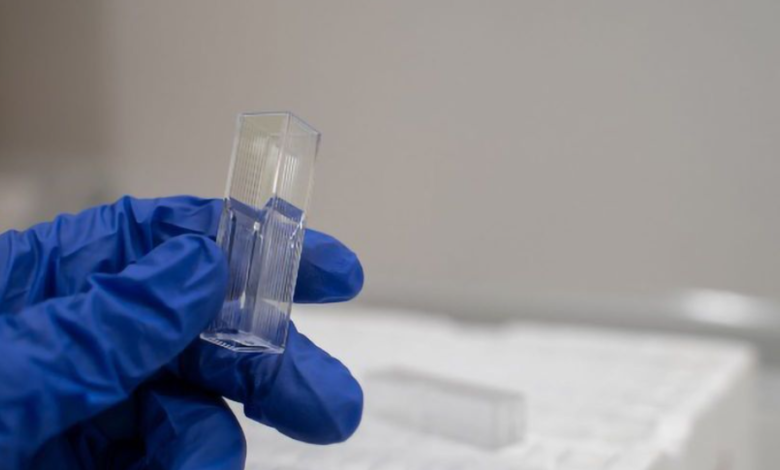
- Cleanliness: Keep optical components and cuvettes free of contamination.
- Environmental Control: Maintain stable temperature and humidity.
- Proper Sample Handling: Use high-quality cuvettes and avoid cross-contamination.
- Software Updates: Keep device firmware and analysis software current.
Following these practices ensures accurate measurements and extends the instrument’s lifespan.
Technological Innovations
Recent advancements in UV vis spectrophotometers enhance laboratory efficiency:
- Microvolume Analysis: Reduces the required sample volume for analysis.
- Automated Sample Handling: Speeds up workflow for high-throughput laboratories.
- Improved Optics and Detectors: Increase sensitivity and measurement precision.
- Data Management Systems: Integrates storage, analysis, and reporting capabilities.
- Portable Models: Enable reliable field testing without compromising accuracy.
Manufacturers offering these innovations support laboratories in staying at the forefront of analytical technology.
Economic Considerations
Investing in UV vis spectrophotometers involves assessing both costs and operational benefits:
- Initial Cost: High-quality instruments may be more expensive upfront but offer better long-term value.
- Maintenance Expenses: Established manufacturers often provide service plans to reduce unexpected costs.
- Operational Efficiency: Automation features save time and minimize human error.
- Durability: Instruments built for long-term performance ensure better ROI.
Balancing these factors ensures laboratories maximize both performance and financial efficiency.
Conclusion
Choosing a dependable uv vis spectrophotometer manufacturer is vital for laboratories seeking precise, durable, and technologically advanced instruments. High-quality products combined with strong technical support, training, and regulatory compliance allow for reliable measurement and improved workflow efficiency.
By evaluating manufacturers based on reputation, product range, service offerings, and technological capabilities, laboratories can secure instruments that meet both current requirements and future analytical demands. Working with a trusted manufacturer ensures consistent results and supports long-term scientific progress.