
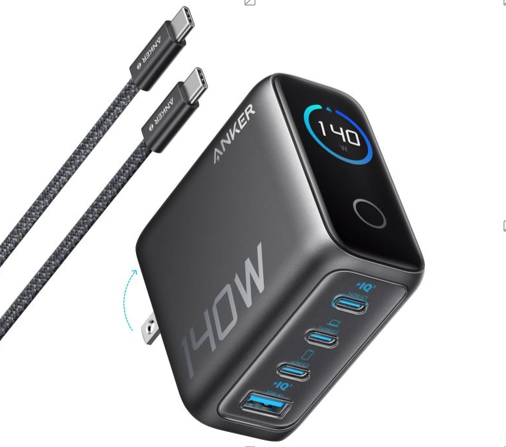
Choosing a long-lasting iPhone cable is critical, especially for heavy users who rely on their smartphones every day. Frequent charging, extensive data transmission, and frequent on-the-go use can soon wear out conventional connections. A high-quality, long-lasting iPhone cable may save you time, money, and hassle. With so many alternatives available on the market, understanding what makes a cable genuinely lasting is critical. This tutorial will lead you through the top features to look for in long-lasting iPhone cables, how to pick the best one for heavy usage, and how to keep your cable in good condition. By the end, you will be able to make an informed decision on your charging needs.
Top Features to Look for in Durable iPhone Cables
Reinforced Connectors and Stress Points
One of the most crucial aspects to take into account when choosing a robust iPhone cable is reinforced connections. Where the cable and plug meet, the connection surfaces are vulnerable to wear and fraying. Choose cables with additional resilience, such as rubberized connections or braided patterns, to counteract this. These reinforcements guard against damage-causing bending and twisting. To avoid breaking, the cable should also be strengthened at stress spots, which are usually the places where it bends the most. Even with regular usage, high-quality cables include protection components surrounding these important locations, guaranteeing a longer lifespan.
High-Quality Insulation for Protection
The insulation around an iPhone cord is important to its endurance. A high-quality cable has thick, durable insulation that protects the wires within from external damage such as cuts, abrasions, or weather conditions. This insulation also reduces the risk of overheating and electrical short circuits. Look for cables constructed from high-quality materials such as TPE (Thermoplastic Elastomer) or PVC, which provide superior protection and flexibility. Furthermore, a well-insulated cable promotes safety during usage by lowering the likelihood of wear and tear from normal use. Cables with good insulation are less likely to develop cracks or other problems that limit their life.
Flexible and Tangle-Free Designs
Durability is more than simply wear resistance; it also includes usefulness. Flexible and tangle-free designs are critical to guaranteeing a long lifespan. Cables that are stiff or prone to knotting are not only difficult to use, but they are also more likely to cause harm. A good grade cable is made of flexible materials that can bend without cracking or breaking. Tangle-free designs, such as braided nylon or flat cables, eliminate snags and tangles, making the cable easier to store and use on a regular basis. These designs also serve to keep the internal wiring from being strained, increasing the cable’s endurance.
How to Choose the Right iPhone Cable for Heavy Use?
Understanding Cable Materials
Knowing the materials utilized in the production of a sturdy iPhone cable is essential. High-grade thermoplastic elastomers (TPE), reinforced rubber, and braided nylon are common materials used to make high-quality cables. Compared to less expensive options, these materials provide better wear resistance, flexibility, and durability. For instance, braided cables have superior tensile strength, which reduces the likelihood that they would break or tear. Conversely, rubberized cables provide defense against external elements like dust and moisture. Performance is also influenced by the materials used in the inner wiring of the cable, which has an impact on data transmission efficiency and charging speed.
Choosing the Right Length for Durability
Choosing the appropriate cable length is another critical issue in guaranteeing its longevity, particularly for heavy users. Longer cables are useful for accessing distant charging outlets, but they are also more prone to tangling and straining, resulting in damage. Shorter cables are more compact and less likely to cause these problems, but they may restrict flexibility. For the finest balance, select a cable length that is appropriate for your everyday needs without excessive slack or strain. If you choose a longer cable, look for one with additional strength to prevent harm from continuous bending. A well-chosen length guarantees that your cable is usable for an extended duration.
See also: Multi-Device Chargers: One Power Station for All Your Gear
Certified MFi Cables: Why They Matter
MFi (Made for iPhone) accreditation is essential when buying a long-lasting iPhone cable. Apple tests MFi-certified cables for compatibility and safety, ensuring they satisfy the company’s high-performance and reliability criteria. These connections are intended to function flawlessly with your iPhone, allowing for safe and efficient charging and data transfer without the risk of overheating or harming the device. Non-certified cords may function at first, but they might eventually create problems such as delayed charging, data corruption, or even device damage. Choosing MFi-certified cables ensures long-term quality and peace of mind.
Tips for Extending the Life of Your iPhone Cable
Proper Storage Techniques
Proper storage is essential for preserving the life of your iPhone cable. Storing your cable properly keeps it from being bent or twisted, which can cause internal damage. Avoid coiling your cable too tightly, since this might put pressure on the connections and wires. Instead, wrap it loosely in a figure-eight pattern or use a cable organizer to keep it neatly coiled. When not in use, keep the cable cold and dry, away from direct sunlight and heat sources, as severe temperatures might destroy the material. Also, avoid placing heavy things on top of the wire, since pressure can cause wear and tear over time.
Avoiding Overcharging and Cable Stress
Overcharging your smartphone can cause needless pressure on both your phone and cord, resulting in premature degradation. To avoid this, disconnect your iPhone once it reaches 100% capacity, or use a charger with automated shut-off capabilities to prevent overcharging. Also, be aware of how you handle the cord when charging. Avoid bending or putting weight on the cable, since this might cause tension at the connections or along its length. Try to arrange your device so that the cable is not under stress, which might cause the internal wires to fray or break. Reducing tension on the cable during use improves its lifetime.
Cleaning and Maintenance Tips
Cleaning your iPhone cable, including your usb c iphone charger, regularly is essential for maintaining its durability. Dust, filth, and grime can collect over time, causing damage to the cable’s surface and connections. To clean the cable, apply a soft cloth and, if required, a light soap solution. Wipe the wire gently, but do not soak it in water. To remove junk from connection plugs, use a cotton swab. Keep the cable clear of abrupt bends, and avoid violently pulling it out of charging ports, which might damage the connections. Regular cleaning keeps your cable free of dirt accumulation, decreasing wear and maintaining it in good operating order.
Conclusion
Choosing a robust iPhone cable is critical for heavy users who rely on their smartphones for daily operations. Focusing on critical elements such as stronger connections, high-quality insulation, and flexible designs will help your cable endure longer. Furthermore, knowing the materials, selecting the appropriate length, and using MFi-certified cables can improve longevity. Proper storage, cautious handling, and regular maintenance will help you extend the life of your iPhone cable and avoid unnecessary repairs. Make an informed selection today and enjoy a consistent charging experience for the long term.


