Struggling with erectile dysfunction after prostate surgery or due to age-related changes? You’re not alone. Modern medicine now offers innovative solutions beyond pills. Two regenerative treatments gaining attention are extracorporeal shock wave therapy (ESWT) and platelet‑rich plasma (PRP) injections. Both aim to restore natural erectile function, offering hope for long-lasting improvement without surgery or daily medication.
In simple terms, ESWT shock wave therapy uses gentle sound waves to stimulate tissue repair and promote new blood vessel growth, while PRP uses growth factors from your own blood to encourage healing and regeneration. Although both are considered regenerative treatments, they differ in how they work, the evidence supporting them, and their availability. Understanding these differences can help you make an informed choice and set realistic expectations for results.
What Is ESWT (Shockwave Therapy)?
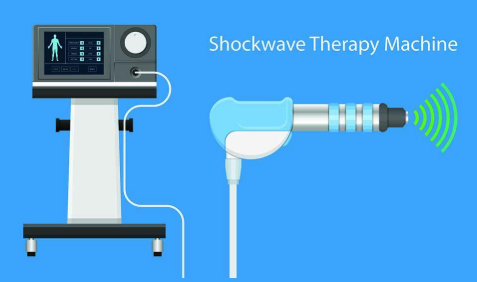
Extracorporeal shock wave therapy (ESWT) is a non‑invasive treatment that delivers low‑intensity acoustic pulses to penile tissue. These sound waves create microtrauma that may upregulate angiogenesis (new blood vessel formation) and encourage tissue repair. Many studies suggest that ESWT can improve erectile function scores and penile blood flow compared to sham treatments, especially in men with mild‑to‑moderate ED.
Key facts about ESWT:
- It is non‑invasive and painless, requiring no anesthesia.
- Treatment typically involves multiple sessions over several weeks.
- Some research shows improvements in erectile function scores (IIEF‑EF) and erection hardness (EHS).
- Benefits may last months after treatment.
- It tends to be best suited to men with vascular‑related ED (blood flow issues).
However, experts note that while many controlled trials report positive outcomes, results can vary depending on the protocol used, and standardized guidelines are still evolving.
What Is Platelet‑Rich Plasma (PRP)?
Platelet‑rich plasma (PRP) involves drawing a small amount of your blood, concentrating the platelets, and injecting the enriched plasma into targeted tissue. Platelets contain growth factors that may support cell signalling, blood vessel formation, and healing at the injection site. PRP has been used in orthopedics and cosmetic medicine for years, and researchers have explored its potential in ED.
Key facts about PRP for ED:
- PRP injections deliver growth factors directly to penile tissue.
- Because the plasma comes from your own blood, the risk of allergic reaction is low.
- Some early studies and animal research suggest potential benefits, but human evidence remains limited and inconsistent.
- PRP is generally considered experimental in ED treatment by major urology guidelines, meaning it is not yet widely recommended as standard care.
See also: iPhone Cable Durability Guide for Heavy Users
How ESWT and PRP Differ
Though both treatments are regenerative in concept, they work in distinct ways:
- Mechanism
• ESWT: Uses mechanical sound waves to trigger angiogenesis and tissue response.
• PRP: Uses biological growth factors from your own platelets to promote healing and growth. - Evidence Base
• ESWT has more clinical trials and meta‑analyses supporting modest improvements in ED outcomes, especially in mild to moderate cases.
• PRP has fewer robust human studies; most evidence so far comes from small trials or preliminary research. - Standard Use
• ESWT is increasingly offered at urology clinics as a regenerative option, though it’s still not universally recommended in clinical guidelines.
• PRP is more experimental, often offered in private or specialty clinics and typically not covered by insurance.
Which One Works Better?
Direct comparisons between ESWT and PRP specifically for ED are currently limited. Some studies suggest both treatments can improve erectile function compared with baseline, but there is no clear consensus that one is definitively superior when used alone.
However, there is emerging interest in combining the two: in several research settings, PRP combined with ESWT has shown greater improvements in blood flow and erectile function scores compared with ESWT alone, suggesting a potential synergistic effect.
In practice:
- ESWT alone may be a suitable regenerative option for many men, particularly those with vascular components to their ED.
- PRP alone remains experimental with limited large‑scale evidence in humans.
- Combination therapy (PRP + ESWT) shows promise in some studies and may offer enhanced results, but this approach is still being evaluated.
Safety and Side Effects
- ESWT: Generally well tolerated with minimal side effects, typically mild discomfort during treatment.
- PRP: Because it uses your own blood, allergic reactions are rare, but injections can cause temporary swelling or soreness.
- Both treatments are considered low‑risk compared with surgical procedures, but long‑term safety data is still accumulating.
Finding the Best Option for You
Deciding between ESWT, PRP, or a combination depends on several factors:
- Severity and cause of your ED
- Whether regenerative improvement or symptom management is your priority
- Availability and cost of treatments
- Consultation with a qualified urologist or specialist
Both ESWT and PRP represent exciting advances in ED care, but it’s important to remember that they are still considered emerging therapies. Ongoing research continues to refine how best to use them and in whom they work best.
Before deciding on any treatment plan, discuss your medical history, expectations, and potential outcomes with a healthcare professional. With the right guidance, you can explore options that align with your goals and health needs.