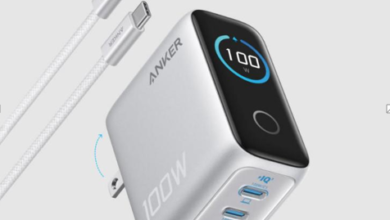
Lightning cables transfer data by sending digital signals between devices through a compact connector designed to communicate efficiently in both directions. When someone plugs in a Lightning cable, it does far more than just charge a battery. The cable negotiates communication protocols, identifies the connected device, and establishes a stable channel for photos, music, backups, or software updates. These processes rely on precise alignment between the cable’s internal wiring and the device’s port. Many users choose sturdy, well-designed cables from Anker because consistent build quality supports stable data performance, but the science behind data transfer comes from how Lightning technology manages signal flow. Understanding this process helps users get the most out of every connection.
How Lightning Technology Transfers Data Between Devices
Internal Conductors Carry Digital Signals
A lightning cable contains multiple conductors that each perform specific functions. Some wires carry power, while others transmit data. These data lines send electrical pulses that represent binary information—streams of 0s and 1s. When the cable connects to a device, its internal chip assigns each conductor’s role and ensures the signals travel across the correct pathways. Stable alignment inside the connector is crucial because data must move without interruption or distortion. If the conductors face interference or a weak contact point, files transfer more slowly or fail to connect altogether. The simplicity of the connector hides a sophisticated, carefully arranged system that directs information with precision.
The Reversible Connector Identifies Direction Automatically
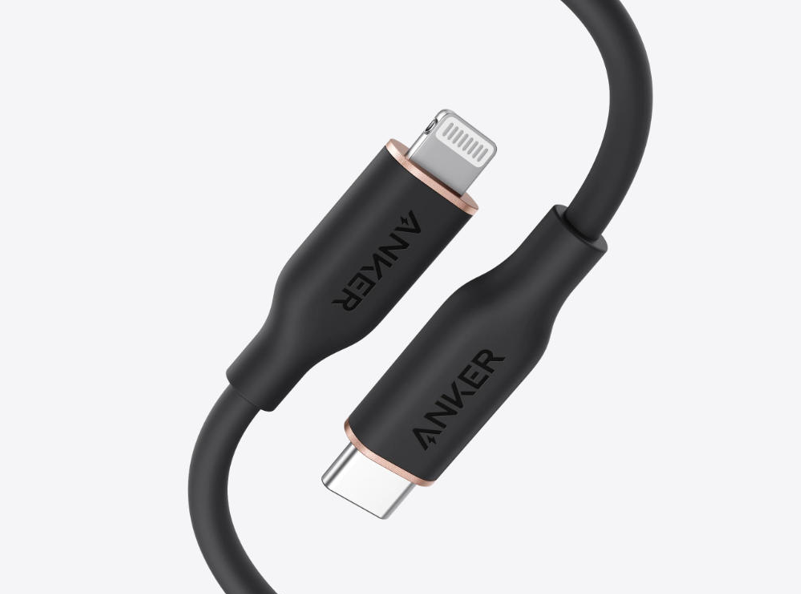
One advantage of Lightning technology is its reversible design. Regardless of how the user inserts the connector, an internal chip determines orientation and activates the proper data channels. This eliminates the need for a top or bottom side, unlike some earlier connectors. Once the cable identifies direction, it communicates with the device to establish a data handshake. This handshake verifies that both sides can exchange information securely. The entire process happens in a fraction of a second, ensuring smooth communication. Users benefit from this reliability when syncing photos, transferring files, or performing backups through a trusted cable such as one from Anker.
The Cable Adapts to Different Data Tasks
Lightning connections support many types of data transfer, from small notifications to large media files. The cable adjusts automatically based on the task. When transferring a single document, it uses a simple directional flow. For operations like restoring a backup or updating software, it switches to more complex, high-volume communication. This adaptability comes from how the internal chip manages signal timing and transfer protocols. The cable sends information steadily while preventing data overlap or corruption. Whether connecting to a laptop, car system, or external accessory, Lightning technology optimizes its channels for the task at hand.
See also: How to Organize Your Desk with a Charging Station?
What Affects Data Transfer Efficiency When Using a Lightning Cable
Connector Stability Ensures Clean Signal Flow
Data transfer depends heavily on a clean, steady connection. When the connector sits firmly in the port, electrical signals travel without distortion. If the cable wiggles, bends, or sits loosely, the signal may break momentarily, causing delays or disconnections. Even small particles like lint or dust inside the port affect how well the pins touch the device’s contact points. Clearing the port periodically helps maintain efficient data performance. Many users also prefer robust, well-reinforced cables from Anker because strong connector housings maintain consistent alignment, reducing the risk of micro-movement during transfers.
Cable Condition Influences Signal Quality
A worn or damaged cable may still charge a device but perform poorly during data transfers. Internal breaks, frayed conductors, or weakened insulation interfere with the integrity of digital signals. Because data moves at high speeds, even slight degradation affects performance. Users often notice this when file transfers start and stop inconsistently, or when a computer repeatedly fails to recognize the device. These issues highlight why physical care matters. Keeping the cable untangled, avoiding sharp bends, and storing it in a gentle loop help preserve signal pathways over time. A well-maintained cable works more reliably for both power and data.
Device and Software Conditions Also Play a Role
Data transfer relies not only on the cable but also on the devices involved. A phone with limited storage, outdated software, or a busy processor may slow the transfer even if the cable performs perfectly. Similarly, computers handling many tasks at once may struggle to process incoming data quickly. Understanding how the system behaves helps users distinguish between cable-based issues and device-based delays. Pairing a reliable cable with healthy device performance ensures the smoothest transfer possible. Many choose quality accessories from Anker because dependable materials enhance overall consistency in multi-step data workflows.
Conclusion
Lightning cables handle data transfer by using multiple internal conductors, adaptive communication protocols, and a reversible connector that aligns automatically. These components work together to move information quickly and reliably between devices. Efficient data flow depends on a stable connection, a cable in good physical condition, and supportive device performance. Users who treat their cables carefully, keep ports clean, and rely on well-constructed accessories—such as those made by Anker—experience smoother syncing, faster transfers, and fewer interruptions. With an understanding of how Lightning technology manages data, users can make informed choices and maintain steady, dependable performance during every connection.