Flat-roof extensions and renovations have become increasingly popular across the UK, particularly for kitchen diners, open-plan living spaces, and modern home upgrades. One architectural feature that continues to stand out in these projects is the use of roof lanterns for flat roofs, offering a perfect balance of natural light, visual impact, and practical performance.
In this expert guide, we explore design ideas, technical considerations, and professional advice to help homeowners make informed decisions when choosing roof lanterns for flat-roof applications in the UK.As homeowners place greater emphasis on light-filled interiors and seamless indoor-outdoor connections, roof lanterns have become a preferred glazing solution. They not only improve the atmosphere of a room but also enhance how spaces are used throughout the day. In this expert guide, we explore design ideas, technical considerations, and professional advice to help homeowners make informed decisions when choosing roof lanterns for flat-roof applications in the UK.
Why Roof Lanterns Are Ideal for Flat Roofs
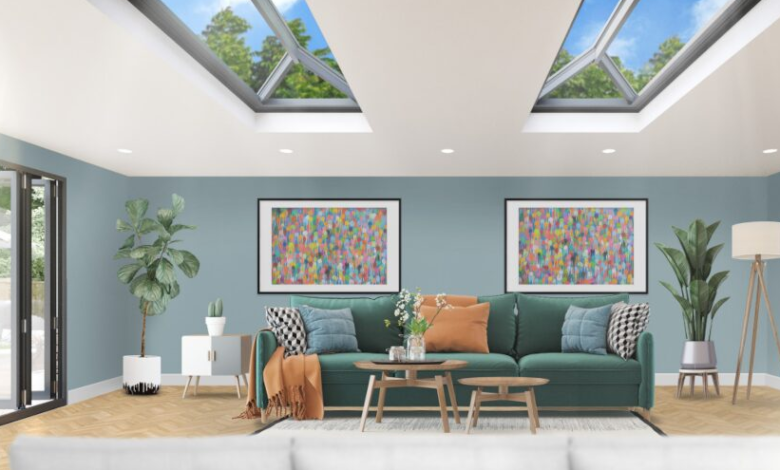
Flat roofs often limit the amount of daylight entering a space, especially in rear extensions where vertical windows may be restricted by neighbouring properties. Roof lanterns solve this issue by introducing light from above, allowing it to penetrate deeper into the room throughout the day.
Unlike standard rooflights, lantern-style glazing adds height and architectural interest, creating a sense of openness even in compact spaces. This makes them particularly suitable for UK homes where maximising light is a priority.
Design Ideas for Modern and Traditional Homes
One of the biggest advantages of roof lanterns is their design flexibility. Whether your property is contemporary or traditional, there are styles available to complement the overall aesthetic while improving the quality of light indoors.
Minimalist Designs for Modern Extensions
Slim-framed aluminium roof lanterns work exceptionally well in modern homes. Clean lines, neutral frame colours, and large glazed panels enhance contemporary interiors and pair beautifully with open-plan layouts.
Classic Styles for Period Properties
For older or character homes, more traditional roof lantern designs with defined glazing bars can help maintain architectural harmony. These styles are often chosen to suit Victorian or Edwardian-inspired renovations.
Central Feature Lanterns
Positioning a roof lantern centrally above a dining table or kitchen island creates a striking focal point. This approach not only enhances light distribution but also adds visual structure to the room below.
Choosing the Right Size and Proportion
Selecting the correct size is essential for achieving both aesthetic balance and optimal performance. A roof lantern that is too large may overwhelm the space, while one that is too small may not deliver the desired level of daylight.
Professionals generally advise considering:
- The total floor area of the room
- Ceiling height and roof structure
- Orientation of the property
- Intended use of the space
A specialist supplier can help determine proportions that maximise light without compromising comfort or efficiency.
Energy Efficiency and Thermal Performance
With UK building regulations placing strong emphasis on energy efficiency, thermal performance is a key consideration when installing roof lanterns.
High-quality products typically include:
- Double or triple glazed units
- Low-emissivity (Low-E) glass coatings
- Thermally broken frames to reduce heat transfer
When properly specified, roof lanterns for flat roofs can help maintain comfortable indoor temperatures throughout the year, reducing heat loss in winter and limiting excessive solar gain in summer.
Ventilation and Comfort
Although many roof lanterns are fixed, some designs incorporate opening sections or are paired with opening rooflights to improve ventilation. This is particularly beneficial in kitchens and living areas where heat and moisture build-up can occur.
Even fixed roof lanterns support natural comfort by allowing warm air to rise, contributing to a more balanced indoor environment when combined with appropriate ventilation strategies.
See also: How to Safely Remove Mold From Your Home
Installation and UK Building Regulations
Correct installation is critical to the performance and longevity of roof lanterns. In the UK, installations must comply with relevant Building Regulations, including requirements for safety glazing, thermal efficiency, and structural integrity.
Key points to consider include:
- Ensuring the roof structure can support the lantern
- Proper weatherproofing and insulation
- Use of toughened or laminated safety glass
Working with experienced installers and sourcing products from reputable suppliers, such as Skylights Roof Lanterns, helps ensure compliance and peace of mind.
Common Mistakes to Avoid
While roof lanterns offer significant benefits, there are a few common mistakes homeowners should avoid:
- Ignoring orientation: South-facing lanterns may require solar control glazing to prevent overheating.
- Choosing poor-quality glazing: Inferior glass can lead to heat loss and condensation.
- Overlooking planning constraints: Some properties may have restrictions, especially in conservation areas.
Professional advice early in the project can prevent these issues and ensure a smoother installation process.
Adding Value to Your Home
Well-designed roof lanterns are more than just a visual upgrade; they can add real value to a property. Bright, open interiors are highly desirable in the UK housing market, particularly in family homes and modern extensions.
By investing in high-quality roof lanterns for flat roofs, homeowners can enhance both day-to-day living and long-term resale appeal. Specialist providers like Skylights Roof Lanterns focus on combining aesthetics with performance, ensuring the final result delivers lasting benefits.
Final Thoughts
Roof lanterns remain one of the most effective ways to transform flat-roof spaces in the UK. They introduce abundant natural light, create architectural interest, and support comfortable, energy-efficient living when chosen and installed correctly.
By carefully considering design, size, glazing performance, and compliance, homeowners can confidently incorporate roof lanterns into their projects. With expert guidance and quality products, a flat-roof extension can become the brightest and most inviting space in the home.