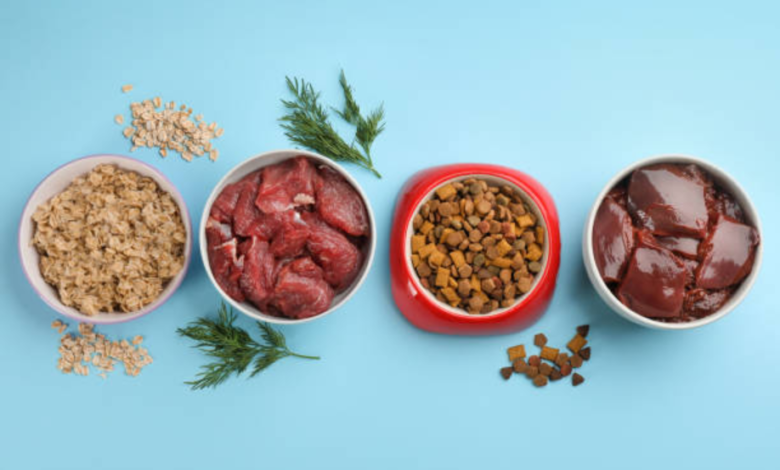
Cats are obligate carnivores meaning their bodies are designed to thrive on animal-based proteins and nutrients. In the wild, felines consume the organs, muscle meat, and bones of prey animals, which provide a complex mix of nutrients in a natural balance. Among these organs, liver is one of the most nutrient-rich sources of vitamins, minerals, and protein a cat might encounter. This is why many pet owners consider offering raw beef liver to their cats either as an occasional treat, a component of a raw diet, or as a supplement to commercial food.
However, despite its allure, raw beef liver for cats must be approached with care and knowledge. While it offers tremendous nutritional benefits, it also carries risks if fed improperly. This article dives deep into everything you need to know — from nutritional value to safety practices so you can decide if raw beef liver is right for your cat.
1. What Is Beef Liver?
Beef liver is the liver from cattle (cow or steer). As an organ meat, it is exceptionally dense in essential nutrients far more so than muscle meat and is sometimes called a “superfood” for pets. Because organ meats like liver are where the body stores vitamins and minerals, they offer a concentrated source of nutrition that’s often missing or less available in muscle meat alone.
2. Nutritional Benefits of Beef Liver for Cats
Raw or cooked, beef liver is packed with nutrients cats need:
High-Quality Protein
Cats require protein as the foundation of their diet. Liver provides lean, bioavailable amino acids essential for muscle maintenance, immune function, and overall energy metabolism.
Vitamin A
Liver is especially rich in vitamin A — a fat-soluble nutrient vital to vision, skin health, and immune function. For obligate carnivores like cats, preformed vitamin A from animal organs is more easily used than the plant precursors humans rely on.
B Vitamins
B vitamins, such as B12 (cobalamin), are abundant in liver. These support neurological function, energy levels, and red blood cell production — all important for a healthy cat.
Iron and Trace Minerals
Liver is an excellent source of iron, which is critical for oxygen transport and blood health, as well as other trace minerals like zinc and copper that support enzyme function and immunity.
Palatability
Many cats find liver highly palatable due to its rich flavor and texture. That’s one reason liver is often used in treats or food toppers.
Products like Wild Instinct Pet Beef Liver Cat Treats are freeze-dried forms of this organ meat designed for convenience and rich flavor offering pure, protein-rich single-ingredient nutrition without additives.
3. Raw vs. Cooked Liver: What’s the Difference?
When offering liver to cats, owners often wonder whether raw is better than cooked. Each has pros and cons:
Raw Beef Liver
Pros:
- Preserves heat-sensitive nutrients.
- Mimics a natural raw prey diet some owners prefer.
Cons:
- Higher risk of bacterial contamination such as Salmonella and E. coli if not handled and sourced properly.
- Must be extremely fresh and from reputable sources.
- Can be difficult to balance with other foods if used as part of a raw feeding regimen.
Cooked Beef Liver
Pros:
- Cooking kills most bacteria and parasites, making it safer, especially for households with young children, elderly, or immunocompromised people.
- Easier to portion and store safely.
Cons:
- Some heat-sensitive B vitamins may be reduced, though overall nutrient value remains high.
- Overcooking can make liver tough or less appealing to some cats.
Freeze-dried forms are technically raw but have been preserved in a way that reduces bacterial risk compared to fresh raw liver. Still, this method doesn’t eliminate all risk.
See also: How Do Lightning Cables Handle Data Transfer?
4. Potential Risks of Feeding Raw Beef Liver
Despite the benefits, raw beef liver carries risks and must not be the centerpiece of your cat’s diet.
Vitamin A Toxicity
Beef liver is extremely high in vitamin A. While this vitamin is essential, too much can accumulate in the body and lead to hypervitaminosis A. This condition can cause:
- Joint pain or stiffness
- Bone deformities
- Weight loss
- Lethargy
Cats are more sensitive to vitamin A toxicity than many other species, so moderation is critical.
Bacterial Contamination
Raw meat including liver can harbor harmful bacteria such as Salmonella, E. coli, and Campylobacter. These bacteria can cause gastrointestinal sickness in cats and can spread to humans in the household through handling or contact with feces.
Nutritional Imbalance
While liver is nutrient-dense, it doesn’t provide a complete, balanced diet on its own. Too much liver relative to other foods can lead to imbalances and deficiencies — especially if it crowds out sources of taurine (an essential amino acid for cats), fat, or other vitamins.
Commercial diets are formulated to meet all feline nutritional needs, including taurine and calcium nutrients liver alone doesn’t provide in the right proportions.
Copper Toxicity
Liver also contains copper, which in excess over time could lead to accumulation and potential problems like vomiting, diarrhea, and liver stress.
Digestive Upset
Sudden introduction of rich organ meats can cause digestive issues — such as diarrhea or vomiting especially in cats unused to raw or novel proteins. Introduce new foods gradually while monitoring your cat’s reaction.
5. How to Safely Feed Raw Beef Liver to Your Cat
If you decide to serve raw beef liver as part of your cat’s diet or as a treat, follow these guidelines to minimize risk:
1. Moderation Is Key
Liver should be an occasional treat, not a major dietary staple. Many experts recommend limiting liver to no more than about 5% of your cat’s total weekly intake. For most adult cats, that equates to very small portions (e.g., a teaspoon or two) once or twice per week.
2. Source It Carefully
Choose liver from reputable suppliers, ideally human-grade or designed specifically for pet consumption. Products like freeze-dried beef liver treats reduce handling risk and are easier to dose correctly.
3. Practice Safe Hygiene
When handling raw beef liver:
- Wash hands thoroughly before and after contact
- Clean all surfaces and utensils
- Store raw liver promptly in the refrigerator or freezer
4. Freeze Before Feeding (Optional)
Freezing raw liver at very low temperatures for 48+ hours can help reduce parasite risks, although it may not remove all bacteria.
5. Introduce Slowly
Start with extremely small amounts and observe your cat for any signs of gastrointestinal upset — such as vomiting, diarrhea, or changes in appetite.
6. Veterinarian Consultation
Especially if your cat has health issues (e.g., liver disease, digestive sensitivities, or immune conditions), consult a veterinarian before adding raw beef liver or any raw food to their diet.
6. Raw Beef Liver as Part of a Raw Diet
Some owners choose to feed a complete raw food diet that includes muscle meat, organs (including liver), and bones. Done well, this can be nutritionally complete — but poorly balanced raw diets can lead to serious health problems.
Raw diets designed without proper nutrient ratios may lack taurine, calcium, and other essentials. These dietary omissions can cause irreversible issues such as heart disease or bone problems over time. That’s why raw diets should ideally be formulated or approved by a veterinary nutritionist.
Conclusion
Raw beef liver can be a nutrient-rich, flavorful addition to your cat’s diet — provided it’s given in moderation, handled safely, and balanced with the rest of their nutritional needs. While raw liver reflects a cat’s ancestral prey diet and can enhance palatability, it also carries risks such as bacterial contamination, vitamin A toxicity, and nutritional imbalance if fed excessively or improperly.
Products like freeze-dried beef liver treats offer a compromise: delivering liver’s benefits in a safer, measured form that many cats enjoy. Always prioritize safety, hygiene, and professional veterinary guidance, especially when introducing raw foods into your cat’s routine.