When temperatures stay high for long stretches, home comfort depends on more than simply owning an air conditioner. It depends on how well that system is maintained, how efficiently it runs, and how quickly small issues are caught before they become expensive repairs. In warm-climate markets, preventive HVAC care is not a luxury. It is a practical part of protecting a home, a budget, and day-to-day comfort.
For homeowners, property managers, and even real estate professionals, understanding the value of consistent HVAC upkeep can make a noticeable difference over time. A system that gets regular attention tends to perform better, last longer, and create fewer unwelcome surprises during the hottest parts of the year.
The Real Cost of Waiting Until Something Breaks
Many people treat HVAC service as a reactive expense. If the air is still cold and the thermostat seems to work, it is easy to assume everything is fine. The problem is that most HVAC systems do not fail all at once. They wear down gradually.
A clogged filter, a dirty coil, a struggling capacitor, or restricted airflow can quietly reduce performance long before a complete breakdown happens. During mild weather, those issues may not seem urgent. But when summer demand peaks, the system has to work harder and longer, which increases the chance that a minor problem turns into a major one.
That delay often leads to costs in several forms:
- Higher energy bills from reduced efficiency
- More frequent repairs from strain on components
- Inconsistent cooling across different rooms
- Shorter equipment lifespan
- Greater inconvenience during extreme heat
Preventive maintenance shifts the focus from emergency response to long-term performance. That is usually the smarter and less stressful way to manage home comfort.
See also: Multi-Device Chargers: One Power Station for All Your Gear
Why Hot Climates Put Extra Pressure on HVAC Systems
In warmer regions, air conditioning systems often operate for long seasons with very little downtime. That extended workload means parts experience more wear than they might in cooler climates. Fans run longer. Compressors cycle more often. Filters collect dust faster. Condensate systems stay busy. Duct problems become more noticeable because the system is constantly trying to keep up.
This matters because HVAC systems are interconnected. When one part underperforms, the rest of the equipment has to compensate. A small airflow issue can increase runtime. Longer runtime can increase energy use. Extra energy use can raise strain on critical components. Over time, that chain reaction becomes costly.
Homeowners sometimes focus only on the unit itself, but comfort depends on the entire system working together. That includes ductwork, thermostat settings, insulation, filtration, and airflow balance. Preventive service helps identify weaknesses in that full picture before they cause bigger problems.
What Good Preventive HVAC Care Actually Includes
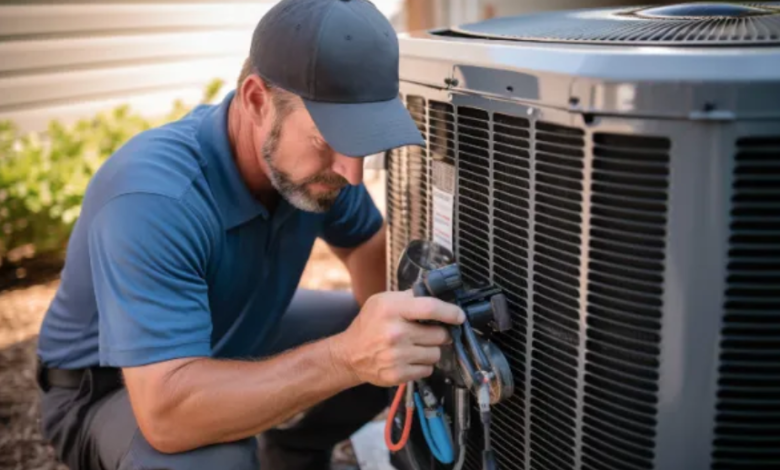
The phrase “maintenance” can sound vague, but quality HVAC care is usually built around a clear checklist. A thoughtful service visit is not just a quick visual inspection. It is an opportunity to evaluate performance, spot warning signs, and improve efficiency.
A strong preventive approach often includes:
Airflow and Filter Checks
Restricted airflow is one of the most common reasons systems struggle. Dirty filters, blocked vents, and buildup in key areas can all reduce performance. Correcting these issues helps the unit cool more effectively without overworking.
Coil and Component Inspection
Evaporator and condenser coils play a major role in heat transfer. When they become dirty, the system loses efficiency. Routine inspections can also uncover early wear in electrical components before they fail at the worst possible moment.
Thermostat and Control Testing
Sometimes comfort problems are not caused by the equipment itself. Poor thermostat calibration or outdated settings can lead to uneven cooling, unnecessary runtime, and energy waste.
Drainage and Moisture Review
Condensate drain issues can create water problems, humidity concerns, or even shutdowns in some systems. Catching those early is an important part of routine care.
Duct and Air Distribution Evaluation
Even a strong AC unit will struggle if cooled air is leaking into unconditioned spaces or failing to reach key rooms. Duct performance has a direct impact on comfort and energy use.
For homeowners looking to better understand what a full-service residential HVAC provider may offer in this area, cowboysac.com provides helpful context around cooling, heating, ductwork, maintenance, and indoor air quality solutions.
Preventive Service Supports More Than Just Cooling
Most people notice HVAC issues when the house feels too warm, but comfort is only part of the story. A well-maintained system also supports cleaner airflow, steadier humidity levels, and a more balanced indoor environment.
That matters for everyday living. A home with poor airflow can feel stuffy even when the thermostat reads the right temperature. Rooms may cool unevenly. Dust may build up faster. Humidity may make indoor spaces feel heavier and less comfortable. In some cases, neglected systems can also contribute to odors or reduced air quality.
Preventive service helps address these broader concerns by improving how air moves through the home. That is especially useful in older properties, homes with pets, or households where the system runs heavily for much of the year.
Maintenance Helps Homeowners Budget More Predictably
One underrated benefit of preventive HVAC care is financial predictability. Emergency repairs are disruptive not only because they happen unexpectedly, but because they can force fast decisions under pressure. When the home is hot and the system is down, people are more likely to approve costly work without time to compare options or plan next steps.
Routine maintenance creates a different experience. It gives homeowners more information earlier. If a part is wearing out, there may be time to plan for replacement. If an aging system is losing efficiency, the owner can weigh repair versus upgrade before a crisis develops. That kind of visibility is valuable.
It also helps homeowners think strategically about priorities such as:
- Whether energy bills are climbing because of system inefficiency
- Whether recurring repairs suggest a larger underlying problem
- Whether uneven temperatures point to duct or airflow issues
- Whether a maintenance plan would reduce long-term stress and cost
In many cases, the biggest savings do not come from one dramatic fix. They come from avoiding a series of preventable problems.
A Better Long-Term Approach to Home Comfort
HVAC systems are easy to overlook when they are working properly, but they influence daily life in a major way. They affect sleep, indoor comfort, utility expenses, and how a home feels during the most demanding weather. Waiting until something breaks may seem convenient in the short term, but it often creates bigger costs later.
A preventive approach is simply more practical. It helps homeowners protect their equipment, improve efficiency, and reduce the likelihood of emergency service when temperatures are highest. It also encourages a broader view of comfort that includes airflow, indoor air quality, and overall system health.
For guest post readers who want a useful takeaway, it is this: the best time to address HVAC performance is before discomfort forces the issue. Consistent maintenance is one of the simplest ways to keep a home more reliable, efficient, and comfortable all year long.